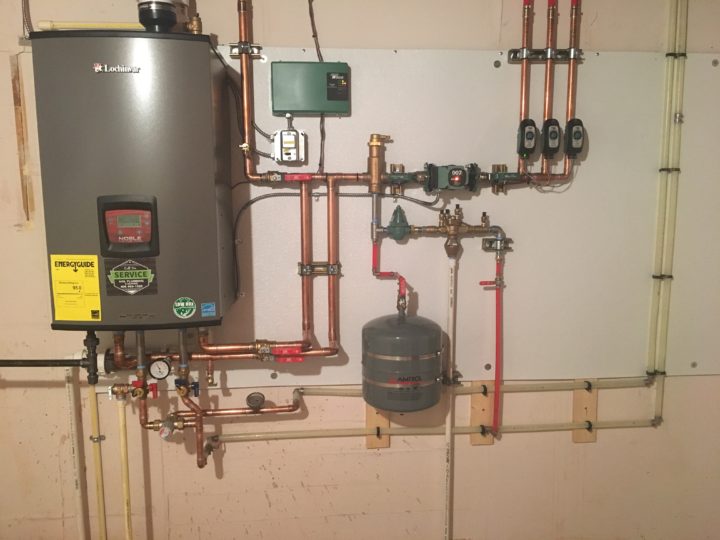
There is a LOT of misinformation out there regarding residential heating systems, particularly when it comes to comparisons of natural gas and oil. Much of the pro-oil data is propagated by industry groups representing the oil dealers.∗ That is not to say that natural gas systems are better – they have their marketers, too – only that this is a subject that requires a little extra effort to counter the spin.More…
January 2, 2026 — 0
New York pauses its landmark gas ban in new buildings
New York just slammed the brakes on rules that would’ve prohibited fossil fuels in new homes and businesses. The Empire State was on the precipice of fully enacting the All-Electric Buildings Act that Democratic Gov. Kathy Hochul signed in 2023. The first-in-the-nation standard requires most new buildings to install…
January 2, 2026 — 0
House Energy & Commerce Committee Unanimously Advances Bipartisan Weatherization Reauthorization Legislation
The bill would extend authorization of the Weatherization Assistance Program through 2030, reducing energy bills and supporting contractor jobs
Today, the full House Energy & Commerce Committee unanimously advanced bipartisan legislation to reauthorize the Weatherization Assistance Program (WAP) through 2030 in a 50-0 vote. The legislation would also nearly double the statutory Average Cost Per Unit (ACPU) allowed under the program from $6,500 to $12,000 to keep pace with rising wage and equipment costs.
At today’s markup, Energy & Commerce Committee Energy Subcommittee Chair Bob Latta (R-Ohio-05) said,
“The Weatherization Assistance Program plays an important role in increasing energy efficiency in low income homes. This saves families money, reduces strain on our nation’s grid, and helps keep existing homes in the housing market. I’m pleased we were able to reach bipartisan agreement.”
E&C Chairman Brett Guthrie (R-Ky.-02) added:
“This is an important program, and I’m glad we’ve all worked hard [on a compromise]… We have a rich history of working together when we can find common ground, and thanks for doing that.”
The compromise bill would ensure the Department of Energy remains statutorily required to continue to operate WAP. The program’s statutory authorization was last extended by President Trump in the bipartisan Energy Act of 2020, but authorization recently expired at the end of this past Fiscal Year. Today’s vote advances reauthorization legislation out of the Energy & Commerce Committee; to advance further, the bill will need to pass the full House of Representatives.
Bill sponsor Paul Tonko (D-N.Y.-20) noted that increasing WAP’s ACPU will:
“benefit the long-term health of this program. Inflation has eroded the potential effectiveness of weatherization services. This change will ensure households can still receive adequate services from crews that are fairly and competitively compensated.”
Though the E&C compromise agreement did not authorize the Weatherization Readiness Fund, Chairman Guthrie called WAP readiness “important,” and Rep. Tonko added that he remains “committed to continuing to push for future adjustments to the program moving forward,” including future authorization of the readiness fund.
Unfortunately, the markup also advanced H.R. 4758, the Homeowner Energy Freedom Act (Rep. Goldman, R-TX-12) out of the full committee, as well. This legislation would repeal state-based programs to train residential energy contractors, state and local building energy code grants, and voluntary electrification and insulation rebates for American households. These provisions aim to make housing more affordable, protect low- and moderate-income residents from rising utility costs, and support local contractor jobs across the country. If enacted, the legislation would do real damage to key state efficiency programs vital to American families and small business contractors—including the Training for Residential Energy Contractors (TREC) program and the High-Efficiency Electric Home Rebate (HEEHR) Program.
BPA will continue our advocacy in support of these important energy efficiency programs. Stay connected with us as we continue our advocacy to advance energy efficiency, support contractors, grow our workforce, and improve energy affordability. Join BPA’s Action List to protect energy efficiency programs and incentives here.
The post House Energy & Commerce Committee Unanimously Advances Bipartisan Weatherization Reauthorization Legislation appeared first on Building Performance Association.
January 2, 2026 — 0
A Job Creation Powerhouse: Energy Efficiency Jobs Grew 4% in 2024, Adding Nearly 100,000 Jobs While Outpacing All Other Energy Sectors
The almost 2.4 million people working in energy efficiency help advance key national priorities, such as energy independence, lower energy costs, a stronger grid, and cleaner air
Washington, DC – Energy efficiency is a job creation powerhouse that’s growing faster and larger than any other energy sector in the country, according to a new report by the Building Performance Association (BPA). In 2024, the energy efficiency industry employed nearly 2.4 million people, a 4% increase (nearly 100,000 new jobs) compared to the year before–and nearly doubling since 2021.
“As federal policymakers aim to grow the economy and reduce the cost of living for everyday Americans, our report shows energy efficiency is a vital part of the solution,” said Steve Skodak, CEO of Building Performance Association. “There are energy efficiency jobs in 99% of U.S. counties—and they span key blue collar sectors including manufacturing and construction. These jobs provide the products and services that help families and businesses save on their energy bills.”
Energy Efficiency Jobs in America is an annual report that tracks energy efficiency employment nationally and across all 50 states and the District of Columbia, in the areas of manufacturing, construction, installation, maintenance and repair, and delivery. It emphasizes the built environment, where workers use ENERGY STAR-certified products and technologies, and high-performance building materials. This includes energy auditors, insulation installers, technicians, HVAC professionals, architects, electrical engineers, and more.
BW Research Partnership conducted additional analysis for the report on behalf of BPA based on data from the Department of Energy’s 2025 U.S. Energy & Employment Report, also produced by BW Research.
Key Findings:
America’s energy efficiency economy employs nearly 2.4 million workers who design, manufacture, and install energy saving products and technologies across 50 states.
Energy efficiency workers represent more than a quarter of the total energy workforce.
From 2023 to 2024, energy efficiency grew the fastest and added more jobs than any other energy sector, creating nearly 100,000 new jobs and increasing its growth rate year over year—nearly doubling since 2021.
Energy efficiency is the largest energy sector in 39 states and the District of Columbia.
The top five states with the most energy efficiency jobs are California (312,090), Texas (182,506), New York (135,393), Florida (132,060), and Illinois (89,878).
The top 10 states with the fastest energy efficiency job growth are: New Mexico (7.7%), Nevada (7.3%), Idaho (7.3%), Oklahoma (7.2%), Colorado (6.6%), New Jersey (6.5%), Hawaii (5.8%), Texas (5.5%), North Dakota (5.5%), and Florida (5.5%)
Idaho and Oklahoma are new additions this year to the top five states that have the fastest energy efficiency job growth (joining New Mexico, Nevada, and Colorado).
In states where energy efficiency is not the largest energy sector, four states—Louisiana, New Mexico, Nevada, and Texas—had energy efficiency as the fastest growing energy sector.
Energy efficiency is an integral part of the manufacturing and construction industries. There are 1.3 million energy efficiency workers in construction, accounting for nearly 16% of all jobs in the U.S. construction workforce. In Michigan, Kentucky, Wisconsin, Alabama, and Mississippi, manufacturing represents a quarter of all energy efficiency employment—and in Michigan, more than half. Energy efficiency is also driving small business growth and strong wages. Nearly 95% of energy efficiency companies are small businesses with fewer than 100 employees—and the median wage for energy efficient employment is 20% higher than the U.S. median wage. Additionally, 9% of energy efficiency workers are veterans, which is 4 percentage points above the national average.
“Small businesses are on the front lines of this industry every day,” said Jessica Azarelo, founder and owner of Attic Queen in Oldsmar, Florida and a member of BPA. “When we improve a home’s efficiency or indoor environment, we’re not only delivering a service—we’re creating local jobs and helping families reduce their energy costs and live in healthier, more comfortable homes. Energy efficiency gives companies like ours the opportunity to grow while providing measurable benefits to the people we serve.”
To maintain momentum, federal and state governments must prioritize workforce development programs.
Between 2019 and 2024, the share of energy efficiency workers aged 55 and over increased from 12% to 15.5% nationally. While younger workers continue to enter the field, these additions are not yet sufficient to offset retirements in the existing workforce.
Energy efficiency subsectors focused on construction, manufacturing and trade, and professional services all continued to report very high levels of hiring difficulty, with 84% to 88% of companies in all three categories describing hiring as at least “somewhat difficult.”
Though fewer energy efficiency construction businesses reported finding hiring to be “very difficult,” dropping from 61.6% in 2022 to 48% in 2024, the overall picture remains clear: nearly 9 in 10 of surveyed companies still face hiring challenges.
The most common reason for hiring difficulty was lack of experience, training, or technical skills.
Beyond creating jobs and driving economic growth, energy efficiency also helps address other key national priorities such as reducing energy bills, improving air quality and home comfort, supporting U.S. energy independence, reducing energy waste, and improving grid resilience. Additionally, energy efficiency will become increasingly important as energy demand from data centers skyrockets from 4.4% of U.S. electricity use in 2023 to as much as 12% in the next three years.
“I’m proud to work in energy efficiency, particularly in weatherization, because the work I do provides real benefits to families in my community. This work lowers energy bills, supports safer and healthier indoor environments, and helps create local jobs. As an instructor, I’m privileged to pass this knowledge on to the next generation of energy efficiency workers—individuals who will improve homes in their own communities and respond to the increasing need for cost-saving upgrades that make housing safer, healthier, and more affordable,” said VaShawn Johnson, BPA Board Member and Weatherization Training Manager at Indoor Climate Research & Training (ICRT).
While the One Big Beautiful Bill Act that passed earlier this year cut many of the key energy efficiency tax incentives and programs that help deliver these benefits, BPA hopes this report encourages federal and state governments to continue to prioritize energy efficiency incentives and maintain and enhance the energy efficiency programs that still exist. For example, the Weatherization Assistance Program and the Home Energy Rebate Programs.
“Federal support for energy efficiency is critical to America’s energy future,” said Kara Saul-Rinaldi, Chief Policy Officer of BPA. “Though the energy efficiency industry continues to grow, Congress has chosen to eliminate several key energy efficiency incentives, including the 25C Energy Efficient Home Improvement Tax Credit. Federal efficiency programs and incentives have been job creators while delivering reliable and affordable energy. Energy efficiency is America’s most cost-effective and abundant energy resource, and smart federal and state policies should optimize our energy use.”
The post A Job Creation Powerhouse: Energy Efficiency Jobs Grew 4% in 2024, Adding Nearly 100,000 Jobs While Outpacing All Other Energy Sectors appeared first on Building Performance Association.
January 2, 2026 — 0
Energy Efficiency Added Nearly 100,000 Jobs in 2024, Outpacing All Other Energy Sectors
The Building Performance Association (BPA) has released its newest Energy Efficiency Jobs in America report, and the results reflect what many in our community already feel on the ground: energy efficiency is growing—and fast. In 2024, the sector added nearly 100,000 new energy efficiency jobs, a 4% increase that outpaced every other U.S. energy sector. Today, almost 2.4 million people work in energy efficiency across construction, HVAC, weatherization, manufacturing, engineering, and more.
The report shows that energy efficiency is now the largest energy sector in 39 states, powered largely by small businesses—95% of employers have fewer than 100 workers. And with median wages 20% above the national median, these jobs continue to offer strong, stable careers that support local economies. At the same time, nearly nine in ten companies are still facing hiring challenges, reinforcing the need for continued investment in workforce training and recruitment.
For anyone working to make homes healthier, more efficient, and more affordable, this year’s report offers both validation and momentum. Energy efficiency jobs are growing because the work matters—and demand for it continues to rise.
You can explore all national and state insights in the full Energy Efficiency Jobs in America report here.
The post Energy Efficiency Added Nearly 100,000 Jobs in 2024, Outpacing All Other Energy Sectors appeared first on Building Performance Association.
January 2, 2026 — 0
Building Performance Association to Launch Energy Efficiency Apprenticeship Program in Massachusetts
Massachusetts – The Building Performance Association (BPA) today announced that it will launch a new, federally approved apprenticeship program in Massachusetts for energy efficiency workers.
Supported by funding from E4TheFuture, Inc., this program will provide pathways for energy specialist and weatherization careers and advance business growth in Massachusetts. The initiative will diversify entry-level employment by energy efficiency and decarbonization companies, and create career opportunities for individuals from populations that are historically underrepresented in the energy industry. Over time, BPA will initiate similar programs in additional states, broadening impact and helping to meet the nation’s growing clean energy workforce needs.
Registered Apprenticeship Programs (RAPs) are industry-driven, high-quality career pathways validated by the U.S. Department of Labor and State Apprenticeship Agencies. RAPs provide employers with a pipeline of skilled workers and allow individuals to gain substantial and well-paid work experience with a nationally recognized credential. Massachusetts employers who hire apprentices may qualify for a tax credit of up to $4,800 or 50% of the apprentice’s wages for each qualifying apprentice.
“We are thrilled to expand our Registered Apprenticeship Program into Massachusetts, a state that is leading the way in energy efficiency,” said Steve Skodak, CEO of BPA. “This program not only equips employers with the skilled talent they need to grow, but also opens doors for individuals, especially those from underrepresented communities, to begin meaningful, well-paying careers. It’s a crucial step toward building the future-ready workforce our industry needs.”
Pat Stanton, Executive Director of E4TheFuture, said, “E4TheFuture is proud to support the launch of energy efficiency-focused Registered Apprenticeships in Massachusetts as part of our legacy initiatives. It is fitting that our endowment, created with the sale of Conservation Services Group—a Massachusetts organization that grew its own workforce to 800 employees—will further the development of energy efficiency professionals in the residential sector.”
BPA will leverage its experience in workforce development and the Energy Specialist Apprenticeship to help employers use a proven framework for developing their workforce by customizing it to meet their specific needs. BPA will:
Recruit employers willing to integrate apprentices into their businesses.
Connect prospective apprentices with those employers.
Handle all registration and paperwork required by the Department of Labor to ensure each program meets state guidelines and is eligible to have associated costs subsidized (e.g., through tax credits).
Partner with training providers to deliver related technical instruction and track coursework necessary to ensure program certification.
Oversee program implementation to ensure quality and compliance with federal standards.
BPA first launched its Energy Specialist Apprenticeship Program in 2024 in Virginia and Maryland. Since then, the organization has expanded its reach by supporting employers across multiple states and providing technical assistance through the Apprenticeships in Clean Energy (ACE) Network.
Today, BPA looks forward to expanding its program to Massachusetts—helping employers build a pipeline of skilled talent, supporting apprentices as they begin meaningful careers, and strengthening the state’s clean energy economy through a diverse and well-prepared workforce.
A pilot version of this program is expected to launch early in 2026. Interested employers and job seekers can learn more at https://building-performance.org/massachusetts-rap/ or reach out to Xavier Walter, BPA’s Director of Outreach, to join the program.
The post Building Performance Association to Launch Energy Efficiency Apprenticeship Program in Massachusetts appeared first on Building Performance Association.
November 14, 2025 — 0
New tool for home energy decisions

What would be the impact of switching to a time-of-use electricity rate? How much solar do I need? What if I bought an EV, how would that affect my solar needs and energy spend?
These questions get complicated. A new free toolkit was recently launched to help homeowners navigate these decisions. Check it out at buildingenergy.ai.
Using machine learning models trained on massive datasets from the National Labs, the suite of tools on this site (many still currently under development) aim to provide extremely fast responses to critical energy queries.
Check it out and let us know what you think!
July 18, 2023 — 0
Why a $90 million push could help U.S. buildings withstand climate disasters
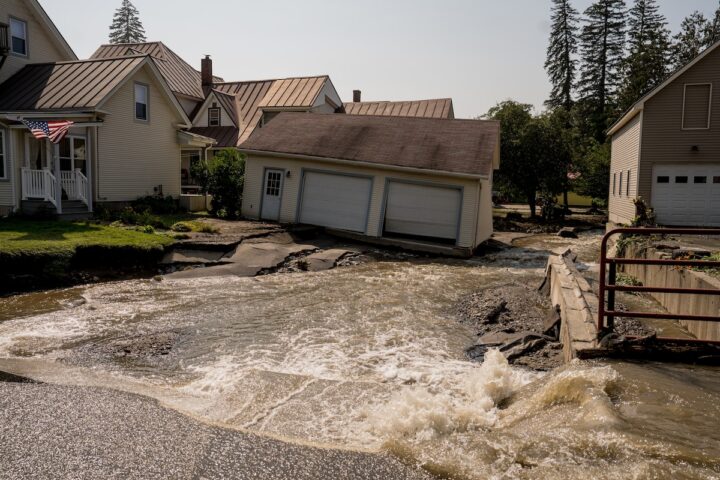
The Energy Department will distribute the grants to 27 projects in 26 states and the District of Columbia. Energy Secretary Jennifer Granholm will announce the funding on Wednesday during a visit to Louisiana, where Hurricane Katrina in 2005 destroyed or damaged more than 800,000 homes and caused an estimated $125 billion in damage overall.
More…July 18, 2023 — 0
How can building owners, construction contractors better see advantages to energy efficiency renovations?

Buildings currently account for more than one third of energy-related EU greenhouse gas emissions. Renovations to improve their energy performance can contribute significantly to achieving the EU’s goal of becoming climate neutral by 2050 according to the EEA briefing ‘Accelerating the energy efficiency renovation of residential buildings — a behavioural approach’. To achieve this, the energy renovation rate needs to at least double from its current level. This will demand considerable investment.
More…July 18, 2023 — 0
Six Ways Energy Efficiency and Sustainability Measures Increase Property Value

Implementing energy efficient measures can lead to significant cost savings in the long term. For example, retrofitting properties to be more energy efficient can reduce utility costs, and lowering operational costs increases Net Operating Income (NOI) for a higher property value.
More…July 18, 2023 — 0
DOE Announces $90 Million To Support Resilient and Efficient Building Energy Codes

As part of President Biden’s Investing in America agenda, the U.S. Department of Energy (DOE) announced $90 million in competitive awards to help states, cities, tribes, and partnering organizations implement updated energy codes for buildings. Funded by the President’s Bipartisan Infrastructure Law, these awards will support 27 projects across 26 states and the District of Columbia to ensure buildings meet the latest standards for energy efficiency — reducing greenhouse gas emissions and lowering energy bills for American families and businesses.
More…March 1, 2021 — 0
Cities voted for green building codes. Now developers want to end voting.
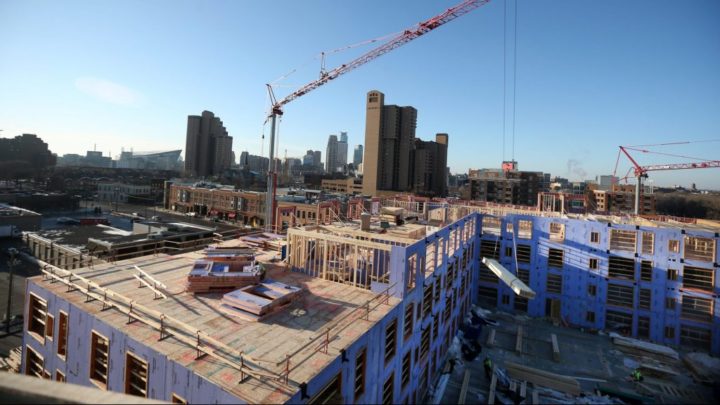
A 280-unit apartment building under construction in Minneapolis in 2017. Nearly three-quarters of Minneapolis’ emissions came from buildings. This story was originally published by HuffPost and is reproduced here as part of the Climate Desk collaboration. Kim Havey had a problem. Minneapolis was generating more and more of its […]
March 1, 2021 — 0
This Isn’t HGTV

The City’s Home Rehab and Energy Efficiency program is here to help homeowners make needed repairs.
The City of Columbia’s Housing Programs Division strives to ameliorate Columbia’s shortage of affordable housing through a variety of programs, including its Home Rehab and Energy Efficiency Program. The program is designed to bring existing homes up to code, making them more livable and efficient, thereby strengthening neighborhoods.
It’s Not a TV Home Makeover Show
The program is focused on encouraging repairs that are manageable and practical, using federal HUD funding and Community Development Block Grants to offer homeowners a zero-interest loan of up to $50,000 to complete eligible repairs. Those include roof repair or replacement, HVAC repair or replacement, plumbing and electrical upgrades, accessibility modifications such as wheelchair ramps, and energy improvements like attic insulation and window or door replacement. The program began in the early 1980s, and despite the pandemic, the program stayed busy in 2020, facilitating the rehab of six homes.
“We serve low- to moderate-income homeowners that are at less than 80% of the area median income,” says Randall Cole, the housing programs manager who oversees the program. “We serve a lot of elderly and people with disabilities, but also a lot of the general public fits into that category, so we serve a broad cross-section of households in our community.”
Eligible homeowners can apply for the program through the City’s community development website, though so many applications have been received that the city is not accepting more until this fall. If the application is approved, the homeowner can choose a contractor from a pre-approved list to work on the project.
“We really put the homeowner in the driver’s seat. We work with them to draw up what they want to do with the home [repairs], what’s eligible,” Randall says. “One important note is that this isn’t like a TV home-makeover show — it’s really to rehab those specific systems that need help. We don’t typically do cosmetic upgrades unless it’s a part of replacing siding or something like that.”
Landscaping, fencing, and additions are not eligible for the program. Addtionally, loans are not provided to homeowners who intend to sell their property once the repairs are complete; in other words, the program is not intended for home flippers.
[…]
March 1, 2021 — 0
Transforming nursing homes into healthy living spaces

With the COVID-19 pandemic exposing the urgent need of nursing homes to do all they can to limit the spread of communicable illnesses, leadership and staff priorities lie in protecting resident health and delivering the best quality of care possible.
While they must continue to navigate day-to-day challenges — keeping areas clean to reduce the spread of the virus, monitoring resident health and wellness and operating through staff and PPE shortages — nursing homes should also look into the benefits their buildings themselves can deliver. There are critical considerations in a facility’s infrastructure that can help improve resident and staff comfort while meeting environmental goals and creating a healthier environment.
The performance of equipment and systems can paint a clear picture of a facility’s ability to reduce virus spread, reduce energy and utility costs and provide insight into the steps necessary to deliver the most value. While healthy buildings have always been essential, the pandemic has heightened the need to upgrade facilities so they’re more resilient in the long term and prepared for future crises.
[…]
March 1, 2021 — 0
PNNL Energy Sciences Center Will Help Realize Clean Energy Future

A new research facility on the Richland campus of Pacific Northwest National Laboratory (PNNL) is set to open fall 2021. The Energy Sciences Center (ESC) will feature many of PNNL’s strengths in chemistry, materials sciences, and computing in one building.
“The ESC will accelerate innovation in energy research using chemistry, materials science, and quantum information sciences supporting the nation’s climate and clean energy research agenda,” said Lou Terminello, associate laboratory director of the Physical and Computational Sciences Directorate. “This will be one of the most advanced facilities in the world designed for this type of research and will be a tremendous asset for the nation. The research that it will enable is going to play an important part in decarbonizing the energy system.” […]
March 1, 2021 — 0
Eco-Friendly Strategies for Property Managers

Start light
- Caulk and insulate exterior windows and doors. This will not only help with heating and cooling costs but will also substantially reduce sound transfer between spaces.
- Refresh interiors with eco-friendly paints with low or no VOC emissions. Indoor air quality has become a hot topic since the onset of the pandemic and will continue to be a top amenity even after it ends.
- Ditch the incandescent bulbs and switch to energy-efficient lightings, such as LED and CFL lamps.
- Install energy-efficiency appliances and HVAC. Investing in the right refrigerators, dishwashers, ceiling fans and the rest will reduce energy consumption and lower the utility bills. More importantly, these will create the energy-efficient home eco-conscious renters seek.
- Install smart meters. These tech bits help the tenants pay for exactly what they consume, every month. Nobody likes estimated billing these days.
- Beef up recycling programs. In addition to the common separation of plastic, glass, paper and aluminum items, you can also easily prepare an area where residents can dispose of light bulbs, batteries and electronics.
Build it up
- Invest in smart-home technology. Residents love smart thermostats, which are steadily becoming the standard home product for new developments. These high-tech gadgets can be programmed (and some can learn by themselves) to adjust heating and cooling processes in accordance with the time of day, times when no one is at home or while the residents are on vacation.
- Water preservation. In addition to installing low-flow faucets, showerheads and toilets, consider adding a stormwater retention tank and use the water it collects for irrigation or to flush the toilets.
- Landscaping. Plan your planting to take advantage of its natural characteristics. For example, plant water-loving willows in low areas and conifers on higher ground. Or try xeriscaping, a landscaping technique that uses native plants and rock to minimize water use.
- Mind your roof. The rooftops of your buildings will greatly impact the overall energy efficiency of the community. In warmer climates, for example, opt for roofing products that reflect the sun’s energy away from the roof—such as slate, terracotta and white tiles—cool faster at night and hold heat for less time to reduce energy costs and usage related to heat.
- Upgrade to a green roof. Even though living roofs are used more frequently in commercial developments, they are becoming increasingly popular in multifamily communities. Residents will enjoy looking at the plants living atop their apartments, which will also insulate the property and filter rainwater, preventing it from running directly into the storm sewer system.
- Install a photovoltaic solar array and a complimentary battery storage unit.
If your community has all or most of these sustainable features, you can consider enrolling to have it certified for its green achievements. The U.S. Green Building Council’s LEED award is one of the most popular certifications out there and owning such a designation will make a strong sustainability statement. Besides, it will help you retain and attract residents while increasing the property’s value in the long term.
March 1, 2021 — 0
3-Year Partnership With Ameresco Saved Town of Ashland $800,000+
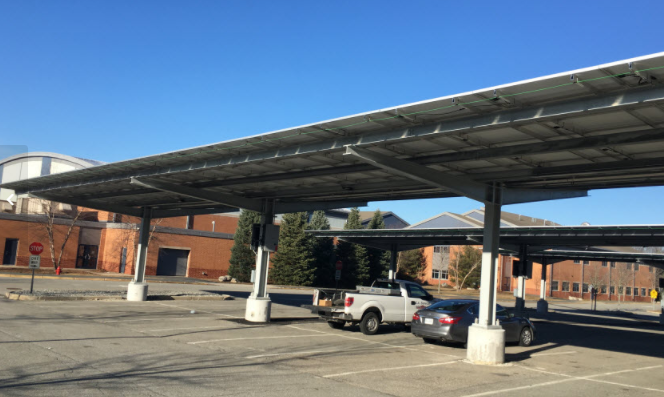
ASHLAND – The Town of Ashland formed a partnership with Framingham-based energy efficiency company Ameresco to lower energy use and costs in the community. Goals were to improve the energy sources to make the Town of Ashland greener and have a smaller carbon footprint.
Ashland Town Manager Michael Herbert said the “Energy Savings Performance Contract helped us make much-needed energy efficiency investments in our facilities, at little to no cost to the Town of Ashland.”
“In three years alone, we have saved over $800,000 through this project, which is significant for a town our size,” said Herbert, who is a Framingham resident.
“The savings we have realized through this program has allowed us to redeploy our resources into other important components of our operation as well as community development initiatives. It also helps us reach our sustainability goals,” said Town Manager Herbert.
This Energy Performance Contract and Annual Reconciliation Report for year three with Ameresco, “is one of the many steps we are taking to fight climate change and reduce our carbon footprint – this is a successful example of that,” added Scherer.
March 1, 2021 — 0
Missoula County inks contract for energy audit in pursuit of carbon neutrality

With a goal of achieving carbon neutrality by 2035, Missoula County is moving to complete an energy audit of its two largest facilities, and it approved a $75,000 contract with a national consultant to complete the work.
The agreement with McKinstry Essention LLC will include a review of the county detention center and courthouse, and offer recommendations for both savings and improvements.
“The largest contributor to the county’s greenhouse gas emissions is our buildings and facilities,” said Diana Maneta, the county’s conservation and energy coordinator. “To achieve that goal is most certainly going to require using energy more efficiently in those buildings and facilities.”
Both the city and the county of Missoula signed a resolution stating their intent to achieve carbon neutrality in government operations by a certain year. The also completed an inventory of greenhouse gas emissions, which was needed to set a baseline measure as they work to reduce their emissions.
The county’s study found that its operations emitted more than 7,500 metric tons of carbon dioxide equivalent in 2016. Reducing that to zero will take time and investment.
“The first step is an investment grade audit, meaning an in-depth energy audit of the buildings to identify the measures to be potentially included in a performance contract, as well as the savings that would go along with those costs,” said Maneta.
An energy performance contract represents what Maneta described as “a tool in the toolbox,” one authorized by the state. It enables local governments to enter into a contract with an energy services company, like McKinstry, to make efficiency improvements.
The tool also allows local government to pay back the cost of those improvements over time through the savings on their utility bill. Those saving are guaranteed by the energy services company.
“This is such a great thing from an energy efficiency standpoint, but also from a fiscal responsibility standpoint,” said Commissioner Josh Slotnick. “The cost of the improvements we’re making are made up through the savings they generate, and they’re guaranteed. It’s such a good deal for us. It really moves us forward toward meeting our goals.”
After completing the energy audit, McKinstry will provide the county with an energy performance contract, which would include a list of recommended steps the county could take to save energy and cut emissions.
If the county decides to proceed with the performance contract, the cost of the $75,000 energy audit would be rolled into the contract and financed. If the county decides not to proceed, it would pay McKinstry the full cost of the audit in one lump sum.
“At that time, we can do a financial analysis and see if it’s cheaper for us to borrow on a tax-exempt basis and then roll the energy grade audit into our own financing, or we have the alternative of letting (McKinstry) finance it and pay for it through the guaranteed savings,” said Andrew Czorny, the county’s chief financial officer.
The energy audit marks the latest step taken by the county to pursue its goals of carbon neutrality.
With parallel goals of addressing the climate crisis and reducing carbon emissions, the city and county of Missoula, along with the cities of Bozeman and Helena, formally adopted a joint agreement last month to work with NorthWestern Energy on developing a green tariff.
Together they contracted Energy Strategies in Salt Lake City to aid in the process.
“Government oftentimes gets criticized for doing a lot of planing and not as much implementation,” said Commissioner Dave Strohmaier. “This (energy audit) is a step toward actually implementing some tangible work on the ground that will further our energy conservation and sustainability goals.”
May 12, 2020 — 0
Maine environmental regulators issue transmission line permit
TRANSMISSION: Maine environmental regulators grant a permit for a transmission line to import Canadian hydropower, making it the third and final state agency to approve the project. (Bangor Daily News)
May 12, 2020 — 0
Coronavirus: Fuel costs hitting poorest families hardest, warn energy experts
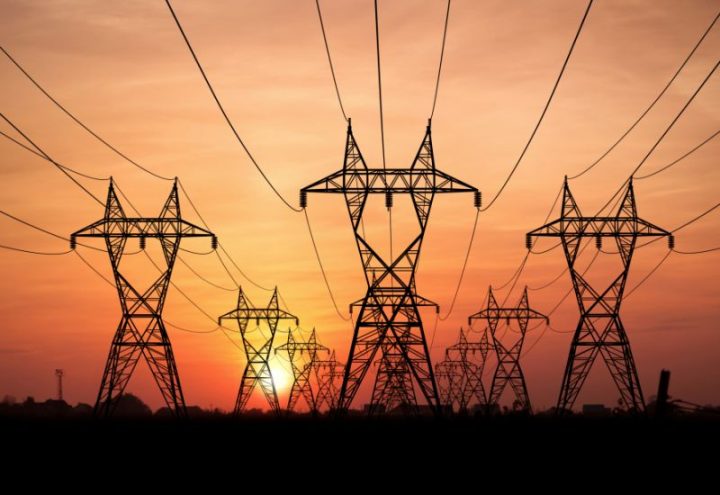
Lockdown fuel costs are hitting low income families the hardest according to energy experts. While people are forced to stay at home during the coronavirus pandemic, gas and electricity consumption is increasing, causing bills to rise. And this is costing disadvantaged families the […]
May 12, 2020 — 0
With most office buildings empty, now is a great time to reexamine energy efficiency
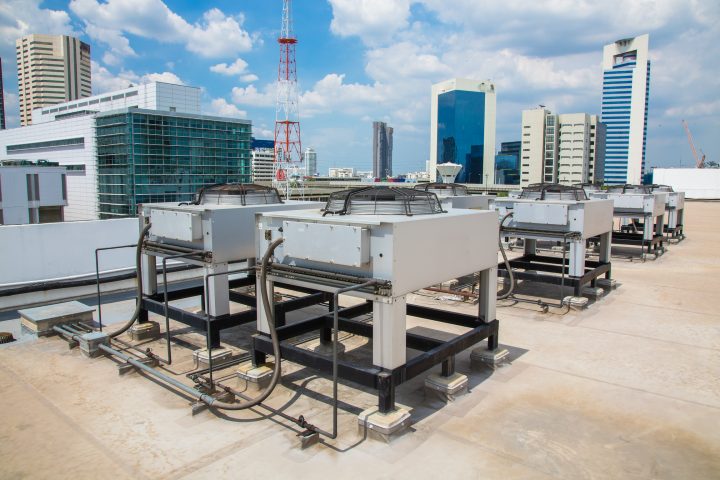
Despite being mostly empty, commercial real estate energy bills are mostly unchanged.
Commercial buildings in the United Kingdom have reduced energy consumption only by 16 percent on average during the pandemic, according to analysis from Carbon Intelligence. The worst-performing buildings are only achieving a 3 percent reduction, according to the analysis. Anecdotal evidence suggests similar numbers in the United States.
What a waste of time and money.
With occupancy so low and energy bills so high, there may never have been a more persuasive argument — or a better opportunity — to optimize buildings. You’d think.
The (missed) opportunity for capital upgrades
With buildings empty, service providers hungry for work and capital cheap, it seems a great time to bring buildings into the 21st century.
But as we’re still grasping the extent of the economic fallout, commercial real estate owners are cautious.
“The financial smoke will have to clear before many people will put project capital at risk there,” explained Steve Gossett Jr., operating partner at Generate Capital, via email. “Most landlords are likely to husband cash rather than invest in their assets right now because they aren’t sure how functional the capital markets will be for real estate in the near future or how stable their tenants are.”
In the short term, landlords are worried struggling companies will renegotiate leases or shift to a work-from-home model, requiring less office space writ large. The result: Commercial office spaces could become stranded assets, subject to write-downs and operating losses.
“In the past, before COVID, we’d say, ‘Oh, if you do these improvements you can increase your rental rates and you can have higher-quality tenants,’” said Marta Schantz, senior vice president of the Urban Land Institute’s Greenprint, an alliance of real estate owners and investors. “But now that case sounds tone-deaf to the market. If folks are worried about people even being able to pay their rent, they’re less focused on increasing rental rates and more on just getting rent.”
To say the least, this is a missed opportunity. About half of all buildings were built before 1980, and many are old, dumb and wasteful. The U.S. building stock accounts for about 40 percent of the emissions. And the technology exists to change that; buildings could be optimized and transformed to be a resource for the electric grid. Buildings could be cheaper to run, provide healthier spaces and become more resilient.
What building owners can do now: tighten operations
As occupancy drops close to zero, some building operators have been surprised at how little change there has been in their energy consumption.
“In general, some clients probably have been surprised to find that parasitic loads were higher than expected,” said Kyle Goehring, executive vice president of clean energy solutions at JLL, in an email.
Simply reviewing systems and buildings presets can save energy and money, according to Schantz.
For example, facility managers could reduce the run time of HVAC systems (responsible for about 40 percent of energy consumption), turn off lights in unoccupied spaces (lighting is responsible for 20 percent of energy use) or unplug appliances that aren’t needed (which account for about 33 percent of buildings’ energy use). For more specific ideas, check out Schantz’s blog or GreenBiz’s coverage.
These ideas, which are of course important, sound like no-brainers. As the world is turned upside down, I’m craving a cataclysmic change, not energy efficiency 101.
But according to Schantz, the basics are revolutionary when facility managers never had time to examine operations in the before-time.
“I very much hope that as folks go through their buildings they will also find some red flags that they didn’t know existed,” she said. “Being able to have this time to find these deeper problems and being able to address them will have long-term savings, even when the building becomes occupied again.” […]